Source reusable japan gel tens electrodes for clinics, salons, and homes
Compare 30 listings of reusable japan gel tens electrodes designed for pain relief and muscle relaxation. Buyers can evaluate specifications like battery life, material composition, and customization options from verified manufacturers in China; compare the available evidence and request quotations based on your requirements.
Key considerations
Products List


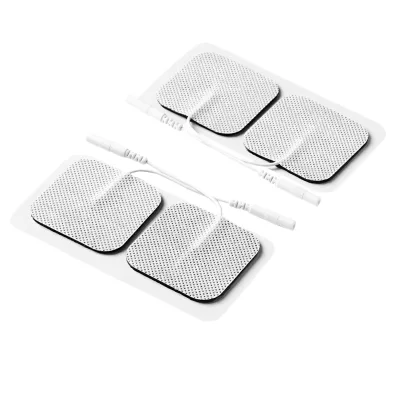
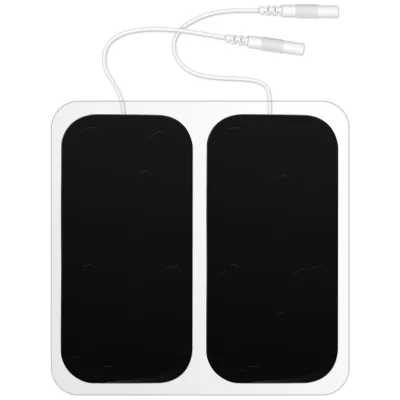
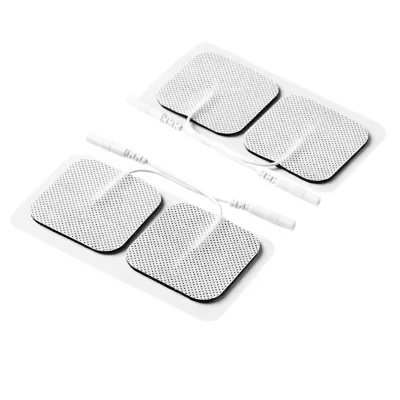


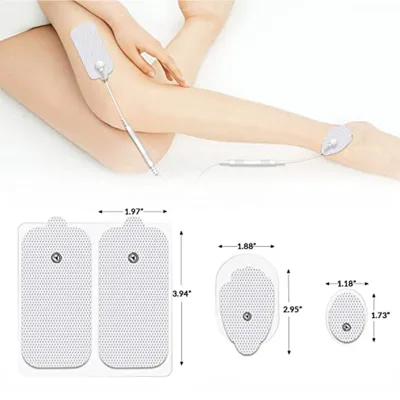
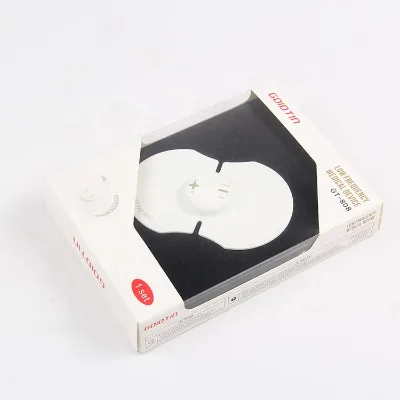
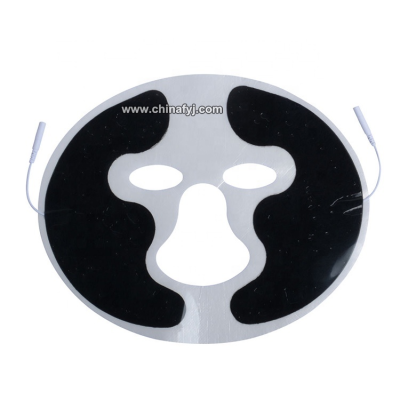
Comprehensive Sourcing Guide
Reusable Japan Gel Tens Electrodes Sourcing Guide
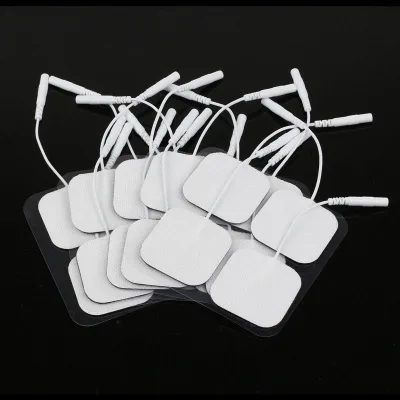
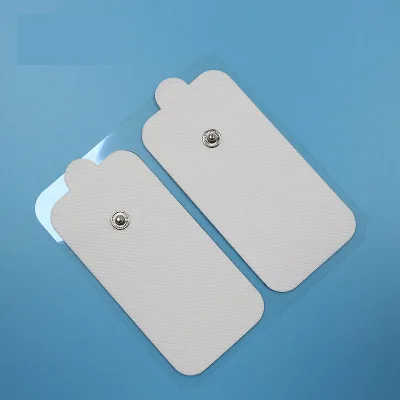
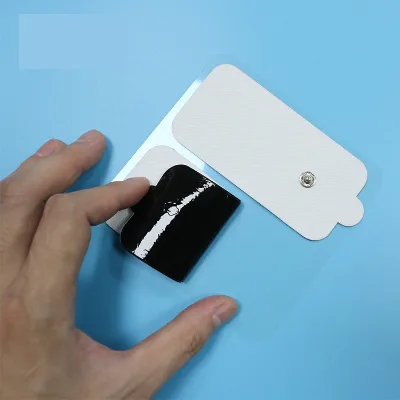
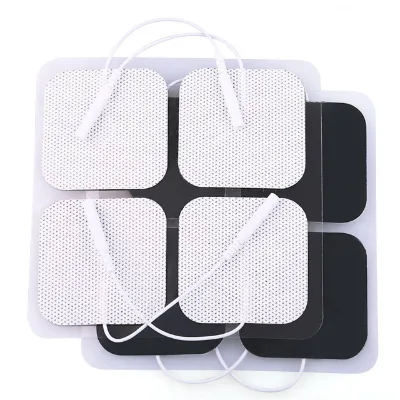
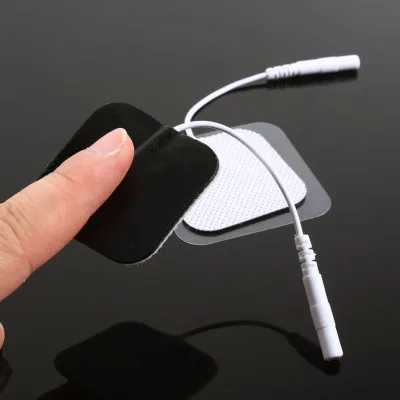
The market for reusable Japan gel TENS electrodes presents a distinct category of rehabilitation supplies designed for repeated clinical and home use. Procurement teams must distinguish these from single-use alternatives by verifying the specific hydrogel composition and electrode pad construction. Current listings indicate a material composition of Pet and Hydrogel, which is critical for maintaining conductivity and skin adhesion over multiple cycles. Buyers should prioritize suppliers who explicitly state the gel origin, as "Japan gel" is a specific attribute observed in high-performance listings that suggests superior adhesion and longevity compared to generic hydrogel formulations.
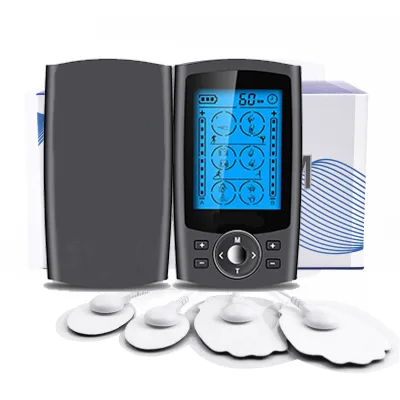
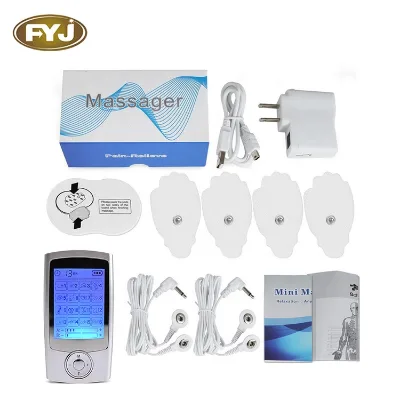
When evaluating product scope, it is essential to recognize that these electrodes often serve as components within broader therapeutic systems rather than standalone devices. The observed data shows these pads are compatible with electric kneading massagers and pulse therapy units targeting various body parts, including the neck, shoulder, waist, and legs. Sourcing strategies must account for the fact that while the core electrode is reusable, the gel layer degrades over time, necessitating a clear understanding of the replacement cycle. Buyers should verify if the supplier offers bulk packaging options that align with the high-volume consumption rates typical of nail salons, beauty centers, and rehabilitation clinics.
Product Scope and Observed Listing Signals
Buyers analyzing current market listings will observe a wide variance in product specifications, ranging from specific model numbers like JRW-888 to generic descriptions of pigtail electrode pads. The observed price range of 0.03 to 15.38 USD reflects significant differences in quality, gel thickness, and packaging configurations. It is crucial to understand that the lowest price points often correspond to basic non-woven fabric constructions, whereas higher-priced items typically feature the advanced Pet and Hydrogel materials required for effective pulse therapy. Procurement decisions should not rely solely on unit cost but must factor in the durability and conductivity consistency of the gel layer.
The application scenes for these electrodes are diverse, spanning home use, office environments, cars, and professional settings like nail salons and beauty salons. This versatility implies that the product must meet varying standards of hygiene and performance depending on the end-user environment. Listings frequently highlight functions such as fatigue relief, blood circulation promotion, and muscle relaxation, which are achieved through the interaction of the electrode with the skin. Buyers must ensure that the selected electrodes are compatible with the specific control methods and gear adjustments of the massaging devices they intend to use, as compatibility issues can render the electrodes ineffective regardless of their intrinsic quality.
Technical Specifications to Verify
Technical due diligence must begin with the verification of battery compatibility and power supply modes, as these electrodes are often paired with rechargeable devices. The observed data indicates battery capacities ranging from 3000mAh to 4000mAh, which directly influences the operational duration of the therapy session. Buyers should confirm that the electrode impedance matches the output requirements of the specific TENS unit to ensure safe and effective current delivery. The pulse method is the standard mechanism for these devices, and the intensity of the current must be adjustable to accommodate different user sensitivities and treatment goals.
Material composition is another critical technical parameter that requires strict verification. While some listings mention "Pet and Gel," others specify "Pet and Hydrogel," and a subset explicitly notes the use of "Japan gel." These distinctions are not merely marketing terms but indicate fundamental differences in the adhesive properties and electrical conductivity of the pad. Procurement teams must request sample testing to validate that the gel does not dry out prematurely or cause skin irritation after repeated use. Additionally, the physical dimensions of the single package, often cited as 5x5x5 cm, should be verified to ensure they fit within the intended storage and transport logistics for the buyer's distribution network.
Compliance and Safety Documentation
Regulatory compliance is a non-negotiable aspect of sourcing medical-grade electrodes, particularly when the product claims to be a rehabilitation therapy supply. The observed listings frequently cite certifications such as CE, FDA, and ISO13485, which are essential for market access in North America and Europe. Buyers must demand valid, up-to-date certification documents for every batch of electrodes purchased, as these standards verify that the manufacturing process meets strict quality management and safety requirements. Relying on general claims without physical documentation exposes the buyer to significant liability and potential regulatory penalties.
Safety documentation must also address the electrical properties of the electrodes to prevent user injury. The theory of electrotherapeutics underpins the function of these devices, requiring that the current intensity remains within safe physiological limits. Buyers should verify that the supplier provides test reports confirming the stability of the pulse output and the absence of harmful electrical leakage. Furthermore, the packaging and labeling must clearly indicate the intended use, such as for office workers or general adult populations, to ensure the product is not misapplied in contraindicated scenarios. Ensuring that the "Pain Relief" branding aligns with actual therapeutic claims is vital for maintaining consumer trust and regulatory adherence.
Cost Drivers and Commercial Terms
The commercial landscape for reusable electrodes is heavily influenced by the Minimum Order Quantity (MOQ) and the customization options available. Observed MOQs range from a single set to 50,000 units, allowing buyers to scale their orders based on immediate needs or long-term inventory strategies. Customization is a significant cost driver, with options available for branding, packaging, and even the specific gel formulation. Buyers should negotiate terms that allow for flexible MOQs during the initial sampling phase while securing volume discounts for larger production runs to optimize the total cost of ownership.
Packaging and logistics also play a pivotal role in the final landed cost of these electrodes. The observed single package size of 5x5x5 cm suggests a compact design, yet the bulk packing dimensions of 49x27x41 cm indicate how efficiently these items can be shipped. Buyers must calculate the cost per unit including freight, considering that the origin is primarily Guangdong, China. Additionally, the availability of free samples is a common commercial term that can reduce the risk of sourcing errors. Procurement teams should leverage the ODM and OEM service capabilities of suppliers to tailor the product to specific market requirements without incurring prohibitive tooling costs.
Supplier Qualification and Quality Control
Supplier qualification requires a rigorous assessment of the manufacturing origin and the specific quality control protocols in place. The majority of observed listings indicate a place of origin in Guangdong, China, a region known for its electronics and medical device manufacturing capabilities. Buyers should verify the supplier's track record in producing items with the specific "Japan gel" attribute, as this suggests a supply chain that sources high-quality raw materials. Establishing a direct relationship with the manufacturer rather than a trading company can provide better visibility into the production process and ensure consistent adherence to the specified material standards.
Quality control measures must extend beyond the final product inspection to include the consistency of the gel application and the durability of the electrode pad. Since the product is designed for reuse, the supplier must demonstrate that the electrodes can withstand multiple cycles of use without significant degradation in performance. Buyers should implement a sampling protocol that tests the adhesion strength and conductivity of the gel after simulated use cycles. Additionally, the "Different Bags" packaging option observed in listings suggests that packaging quality can vary, so strict specifications for protective packaging are necessary to prevent damage during transit and storage.
Long-Term Procurement Checks
Sustaining a successful procurement relationship for reusable electrodes requires ongoing monitoring of product performance and supplier reliability. Buyers should establish a feedback loop with end-users to track the actual lifespan of the electrodes in real-world conditions, as the theoretical battery life of 2-3 hours or more than 3 hours may differ from practical usage. Regular audits of the supplier's production lines can ensure that the "Pet and Hydrogel" composition remains consistent and that the "Japan gel" sourcing has not been compromised by cost-cutting measures. This proactive approach helps prevent supply chain disruptions and maintains the quality standards expected by the market.
Long-term checks must also include a review of the evolving regulatory landscape and certification requirements. As standards such as ISO13485 and FDA regulations continue to evolve, suppliers must demonstrate their ability to adapt their manufacturing processes to meet new compliance mandates. Buyers should schedule periodic reviews of the supplier's certification status to ensure that the products remain eligible for sale in target markets. Furthermore, monitoring the availability of customization options and the flexibility of the supplier to adjust production volumes will ensure that the procurement strategy remains agile and responsive to changing market demands.
FAQs
What materials are used for the reusable electrodes?
The reusable electrodes are constructed from PET and hydrogel materials. This combination ensures effective conductivity and skin comfort during use. The hydrogel layer provides a secure attachment to the skin, while the PET backing offers durability. These materials are selected to support the pulse therapy methods required for tissue repair and muscle relaxation in various application scenes.
Can these electrodes be customized for specific brands?
Yes, customization is available for these reusable electrodes. Buyers can request specific branding and packaging options to suit their market needs. The supplier offers ODM and OEM services to accommodate unique requirements. This flexibility allows businesses to create tailored products that align with their brand identity while maintaining the core functionality of the electrode pads for therapeutic use.
What certifications do these electrodes hold?
These electrodes hold CE, FDA, and ISO13485 certifications. These credentials verify compliance with international safety and quality standards for medical devices. The certifications ensure that the products meet rigorous regulatory requirements for healthcare applications. Buyers can rely on these documented standards when sourcing for markets with strict medical device regulations, ensuring product legitimacy and safety for end-users.
How are the electrodes packaged for shipping?
The electrodes are packaged in various bags to protect the product during transit. The single package size is approximately 5x5x5 cm, facilitating efficient storage and handling. The bulk packing dimensions are 49x27x41 cm, optimizing container space. This packaging approach ensures the integrity of the hydrogel and PET materials while providing a practical solution for bulk distribution to global markets.
Are free samples available for testing?
Free samples are available for potential buyers to test the product quality. This allows clients to evaluate the electrode performance and material comfort before placing large orders. The sample program supports informed decision-making for procurement teams. Buyers can assess the suitability of the reusable electrodes for their specific therapeutic devices and application scenarios without initial financial commitment.
What is the minimum order quantity for these electrodes?
The minimum order quantity is one set for these reusable electrodes. This low MOQ allows buyers to test the market with minimal risk. It is ideal for small businesses or those evaluating product fit. The flexible ordering policy supports diverse procurement strategies, enabling clients to start with small batches and scale up as demand grows in their respective target markets.
Where are these electrodes manufactured?
These electrodes are manufactured in Guangdong, China. This region is known for its robust manufacturing infrastructure and supply chain efficiency. The production location supports consistent quality control and timely delivery for global orders. Buyers can leverage this established manufacturing hub to access reliable sources of high-quality reusable electrodes for their therapeutic and wellness product lines.